

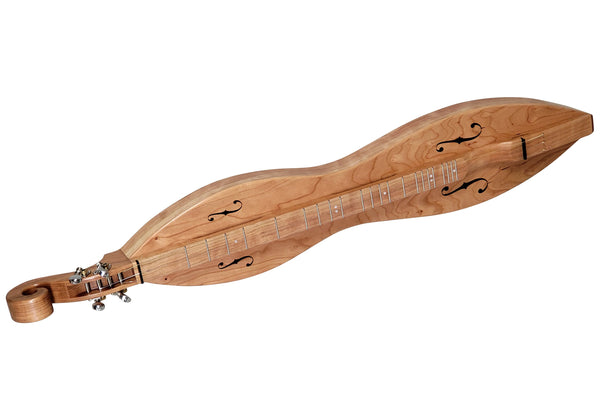
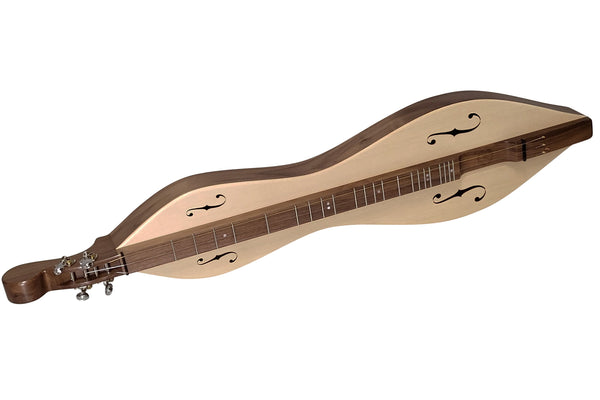
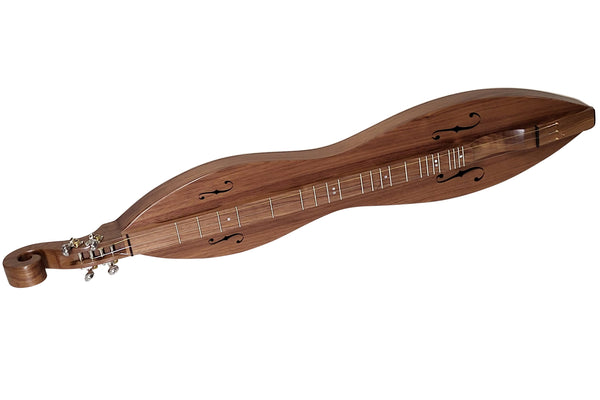
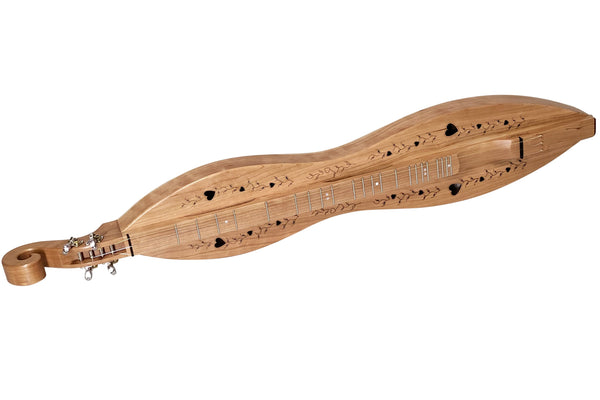
Folkcraft Instruments has been crafting handmade mountain dulcimers since 1968. We've been providing the best dulcimers, plus the dulcimer cases, tab books, dulcimer string sets, and everything else a mountain dulcimer player needs. We even provide dulcimer parts - machine heads and wood parts - for builders of all skill levels. We're happy to build a custom mountain dulcimer for you, make you a custom instrument case, or make you a custom string set. All of our dulcimers are handmade in the USA.
Featured products
Folkcraft customers speak out!
It’s nice to have the right size bit and not have to guess if you have the right size.

Love this strap. It easily adjusts to fit around you if you are wearing a thick sweater or just a shirt. Easy snap on and off. Love it!


I'm a beginner taking lessons. Judy's book answers all the questions I have between classes, provides exercises, and even warm encouragement. This book is a must have for those new to mountain dulcimer. I'm grateful to Judy!

I was given the hourglass dulcimer plan as a gift. I liked the parts list as well as the full sized design. You can use tracing paper to make a pattern so you don't cut or destroy the plans. It was very detailed with dimensions to where I had no trouble following what needed to be done from start to finish.

I used this to fashion a new nut for an old dulcimer I had. It was easy to cut/file/sand, and the dulcimer sounds good too. It has held up perfectly to all the playing and tuning stress since then.

These strings sounded great. The packaging was really nice. It was a clear thick plastic rather than some paper thin packaging like a lot of strings.

I installed these strap buttons on an old dulcimer. It was really easy to install. They look great and have lasted for several years now. They still look like new.

This has come in handy transporting my dulcimer and for keeping it on my lap. The 1” strap is low profile, so I can focus on playing and not fighting with the strap.

Quality you can count on. I use these in constructing bowed psalteries and like their tone quality.

I just happened to be browsing through the book department here at Folkcraft and landed my eyes on this book by Susan Trump. I have taken at least 2 one-hour online workshops with Susan and I found her teaching style to be sympatico with my learning style so I decided to give this book a chance. I consider myself to be an intermediate player, so I was a little put off by the "Intermediate to Advanced" rating of the arrangements, but I know I need to keep challenging myself so I took a gamble. So glad I did! Susan's arrangements are very clear and easy to read and the CD with all of the songs played on Mountain Dulcimer is so very helpful. I am still focusing on the first three songs of the book so far (as the songs are arranged from easiest to hardest), but I feel I am making good progress. I knew very little about O'Carolan until recently and I am enjoying this new experience with these new (to me) songs.

They are working well. It is nice to not have to guess which drill bit to use. I’m an amateur luthier and need all the help I can get.

So far, I have fabricated. two dulcimers from scratch. I purchased. all of the hardware parts and strings from Folkcraft. I am very happy with end results.

The quality of the kit is good, but my husnand struggling in cutting out the top and bottom. The utility knife is not working for him. It would have been helpful to have a video but we are persevering on.
Martha Robinson

Quick and fast service - quality product - professionally wrapped /
Customer service is outstanding // My new website for sure !!